Keeping an eye on hydration, food and warmth are essential elements of a leader's duties when it comes to safety.
But a young person can be perfectly warm, well fed and physically safe, and still have a miserable day if they feel anxious, embarrassed or out of their depth.
The aim is for them to come home wanting to come back, not to write off the outdoors after a negative first mountain day.
So when you are looking around to check on signs of physical danger, have a look for signs of emotional discomfort too - and learn some tips on how to support young people who might be struggling.
Pushing someone too far, too fast can undo all the good the day might have done for a young person.
Take time to profile your group before you set off - in the same way as you would check everyone's got their correct clothing and kit.
- What do they want from the experience?
- What are they realistically capable of?
Pitch the challenge to the individual rather than the group average - and plan your day accordingly.
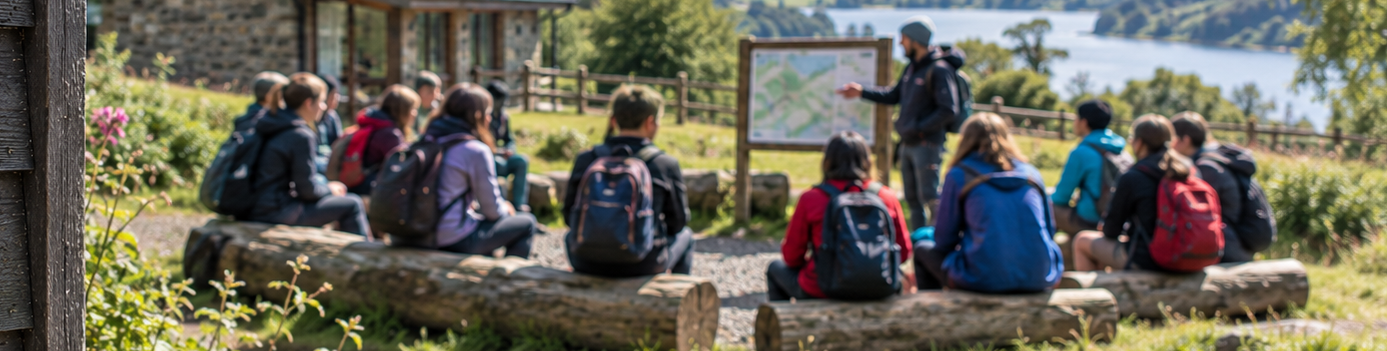
Few things cause more quiet worry for some young people than not knowing what to expect regarding going to the toilet outdoors.
So, start your day by telling young people up front exactly how toileting will work, so there are no shocks.
This is also true of conversations around periods and how to deal with this. It can be awkward for male instructors, so a female instructor might be best to handle this - but if that's not possible, raise it anyway.
Really importantly, make it clear that it’s fine to talk about it and fine to ask for what they need - either in front of the group or privately.
Taboos keep people silent - especially young people - and if someone feels they can’t ask for help, then you can't help them.
Know your route, and if you’re passing the last bit of natural cover for a while - a tor, a boulder pile or trees / bushes, say so:
“Just so you know, this is the last spot for some time where you can pop behind the rocks for a wee.”
It might be twenty minutes before the next chance, or two hours.
Don’t assume a young person will think to ask - they probably won't!
A quick heads-up protects their dignity before it becomes an issue.
Pack hand sanitiser, period products and bags for carrying out waste, including human waste.
Where there’s no natural cover, think creatively - for example what about a 'toilet poncho' - a cheap, oversized toilet poncho that someone can pull over their head to give them some privacy when nothing else is available and they really need to go.
None of these ideas is complicated or expensive. They come down to awareness, preparation and a willingness to talk openly. But together they shape whether a young person feels respected and comfortable in your care.
If you’d like to explore this in more depth, our CPD-accredited
Safeguarding in the Outdoors course is designed for people working with young people in outdoor settings. It’s a good way to build your confidence, refresh your practice and make sure safeguarding is as natural a part of your day as checking the weather forecast.
Whether or not you join us, we’d love to hear what’s worked for you. How do you keep the young people you work with comfortable, and wanting to come back? Let us know in the comments section on Facebook or Instagram!
Safeguarding Young People in the Outdoors
This CPD-accredited course covers the basic principles concerning the safeguarding of young people, combined with practical scenarios you might encounter as an outdoor leader.
Equality, Diversity and Inclusion in the Outdoors
This 90-minute course helps you think about different ways in which you can create an inclusive experience as an outdoor practitioner. It also covers key UK legislation relating to EDI.
Food Hygiene and Safety in the Outdoors
Learn how to keep people safe from food-borne illness in this CPD-accredited online course.
It covers the basics of food hygiene and safety in an outdoor learning setting.